
 Facebook
 X
X
 Pinterest
 Copy Link
Property Taxes in 2026: Understanding Your Bill
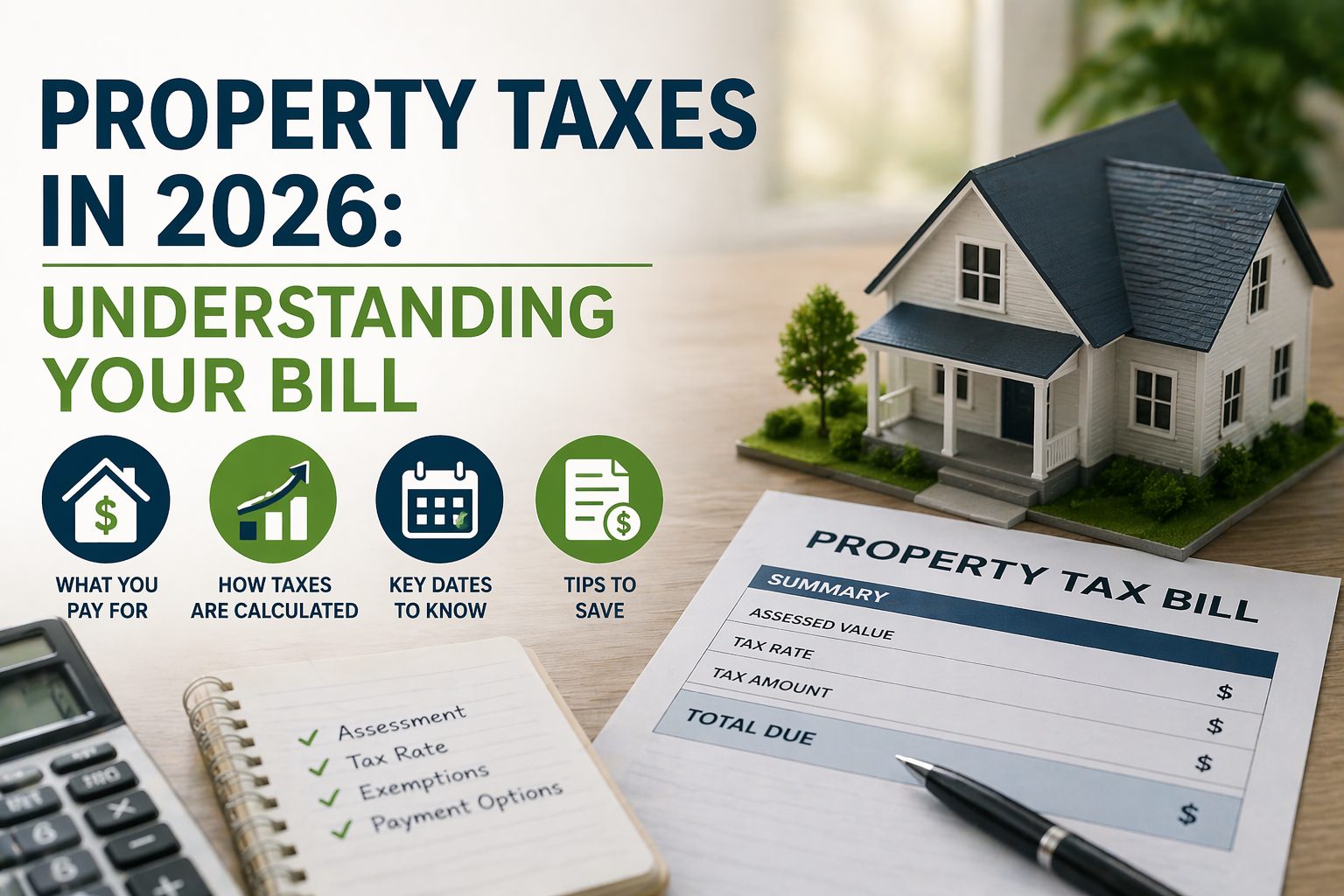
Arizona property taxes remain among the most predictable in the nation thanks to Proposition 117. Your tax bill is based on the Limited Property Value (LPV), which is legally capped at a 5% annual increase, regardless of how much your home’s market value skyrockets. For 2026, owner-occupied homes (Legal Class 3) are assessed at a 10% ratio.
Protecting Your Equity from Tax Spikes
One of the biggest questions I get from out-of-state buyers is: “Will my taxes double if my home value doubles?” In Arizona, the answer is a resounding No. ### How Prop 117 Works for You:
-
FCV vs. LPV: The “Full Cash Value” is what your home could sell for. The “Limited Property Value” is what you are taxed on.
-
The 5% Cap: Even if the Phoenix market sees 20% growth in a single year, your LPV (the taxable amount) cannot grow by more than 5%. This provides incredible long-term stability for homeowners on a fixed budget.
-
Owner-Occupied Savings: If you live in the home as your primary residence, you qualify for Legal Class 3 status, which gives you the lowest assessment ratio available.
Closing Tip: If you recently purchased a home and see a “Notice of Value” that seems high, you have 60 days to file an appeal. Always check that your “Property Use” is correctly listed as owner-occupied!
Eco-Friendly Living: Is Solar Still Worth It in 2026?
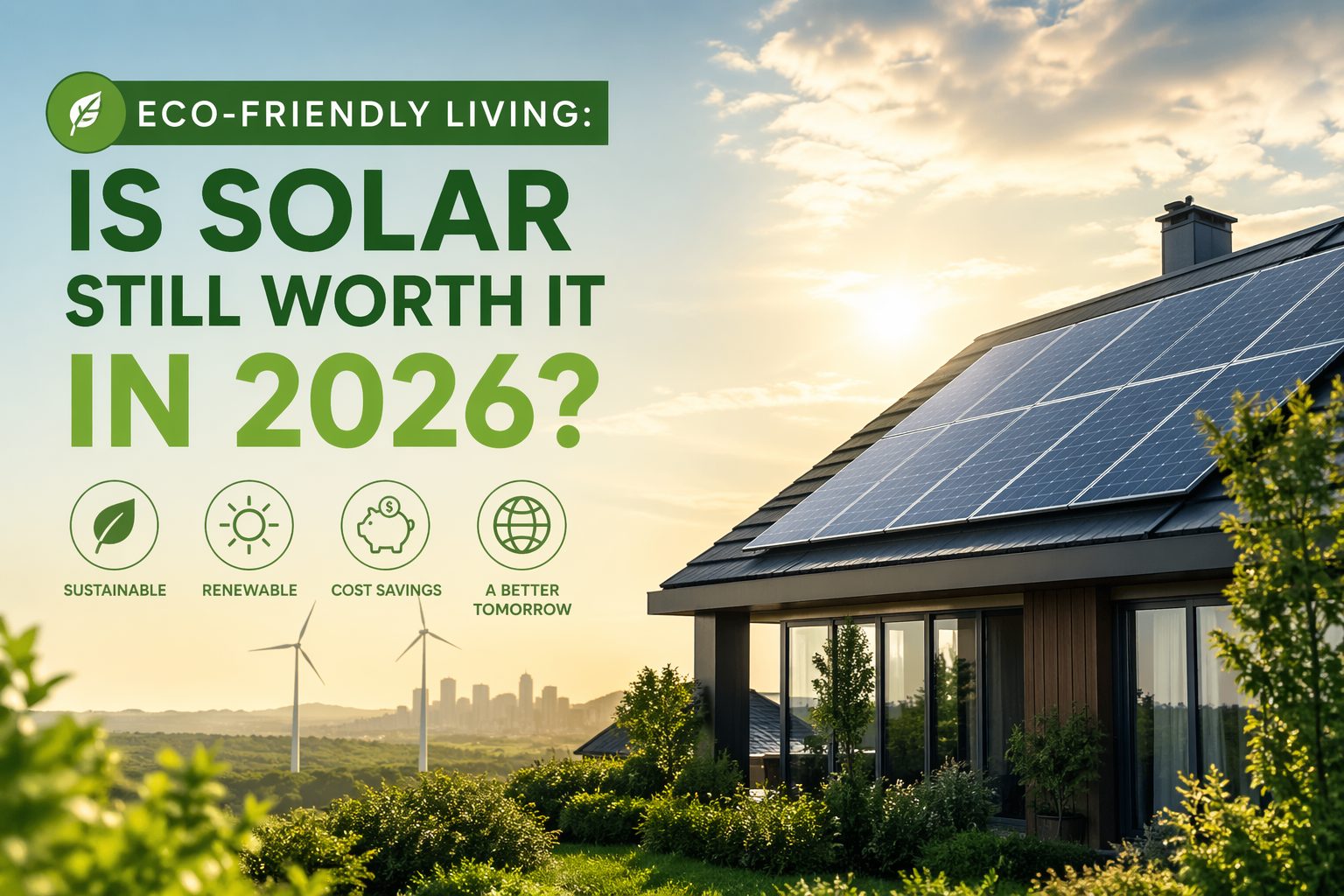
Yes, solar is still highly viable in Arizona for 2026, especially when paired with battery storage. While “Net Metering” has evolved into “Export Rates,” homeowners can still save up to 85% on their electric bills. A solar-equipped home in Arizona currently sees an average value increase of 4.1%, which equates to roughly $17,000+ for the median Valley home.
Sunlight is Your Greatest Asset
In a state with 300+ days of sunshine, solar isn’t just an “eco-choice”—it’s a financial strategy. By 2026, the technology has moved beyond bulky blue panels to Integrated Solar Shingles that look just like a standard roof.
The 2026 Solar Playbook:
-
The Battery Revolution: With utility companies like APS and SRP shifting their rate structures, the real savings now come from Storage. Charging your battery during the day and using that “free” power during the expensive 4 PM–7 PM peak window is how 2026 homeowners are beating the heat.
-
Federal Incentives: The 30% Federal Tax Credit is still in play, significantly reducing the “Payback Period” to an average of 8–11 years.
-
Impact on Resale: Buyers in 2026 are specifically searching for “Solar-Owned” homes. Note: Owned systems add value; Leased systems can sometimes complicate a sale.
Pro-Tip: If you are building new, ask about “Solar-Ready” wiring. It’s a low-cost addition now that saves thousands on installation later.
Smart Home Security: AI & “Spy Eyes”

2026 marks the shift from “Record and Review” to “Detect and Respond.” Modern Arizona homes are utilizing EdgeAware AI to distinguish between a delivery driver and a stray animal in real-time. Smart home features like AI-driven leak detection and local-storage security systems can increase home value by an average of 3-5% while lowering insurance premiums.
Beyond the Ring Doorbell
Home security in 2026 has gone “Pro.” The biggest trend is Local Processing. Homeowners are tired of “Cloud Subscriptions” and are opting for systems that process AI data right on the device. This ensures privacy and near-instant response times.
Must-Have Tech for the 2026 Home:
-
AI-Driven Leak Detection: In a desert climate where water is gold, systems like Phyn or Moen Flo are now essential. They can detect a pinhole leak behind a wall and shut off the main water valve automatically, preventing thousands in damage.
-
Package-Specific Alerts: 2026 doorbells now feature downward-facing cameras with “Package Sentry” AI that alerts you the moment a box is dropped off—and more importantly, if it is moved.
-
Interoperability (The Matter Standard): We are finally seeing a “Universal Language” for smart homes. Whether you use Apple, Google, or Amazon, modern devices now talk to each other seamlessly, making it easier for buyers to inherit a “Smart Home” without needing a degree in IT.
How Sellers Can Win in Today’s Buyer’s Market
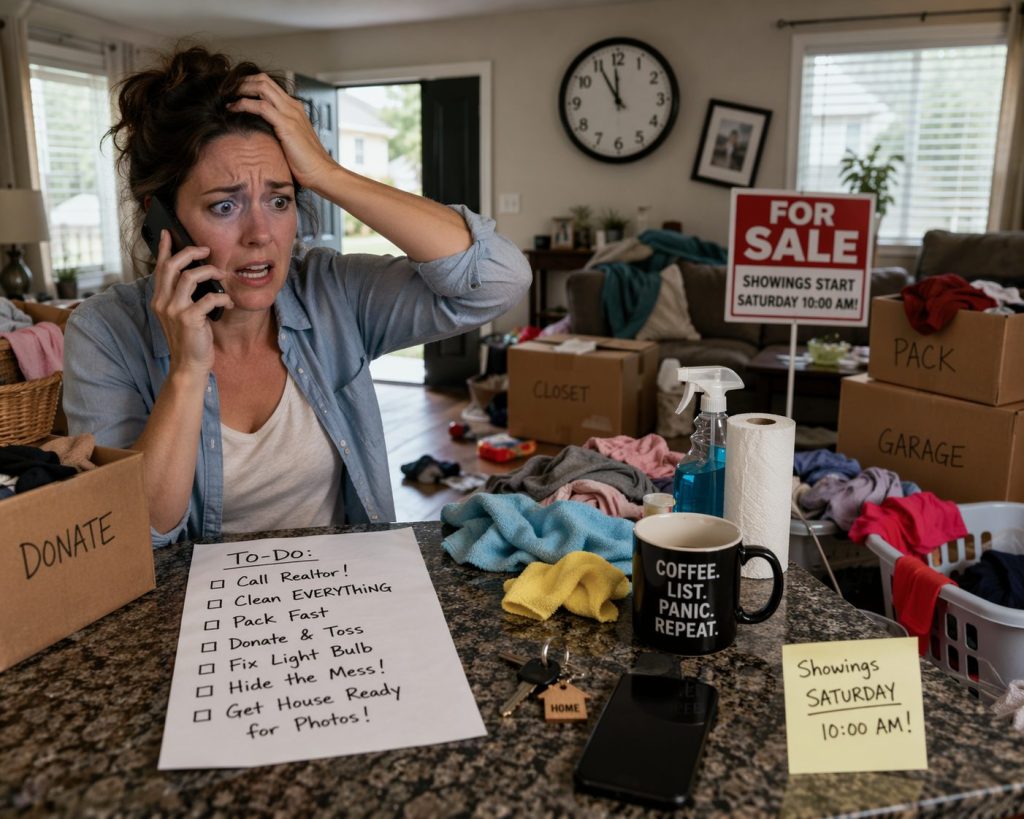
How Sellers Can Win in Today’s Buyer’s Market
1. Price Ahead of the Market, Not Behind It
The biggest mistake I’m seeing right now is chasing the market down. Sellers start high, sit for weeks, then reduce. By the time they adjust, they’ve already lost momentum.
The strongest strategy is to price where the market is going—not where it was 60 days ago. That’s what creates urgency and multiple looks early.
2. First Impressions Are Everything (More Than Ever)
Buyers today are scrolling past anything that feels like work.
If your home doesn’t stand out online, it won’t get showings. Period.
Professional photography, clean presentation, and strategic staging aren’t optional anymore—they’re the baseline.
3. Condition Matters More Than You Think
In a shifting market, buyers don’t want projects—they want certainty.
Homes that feel “move-in ready” are winning. Even small updates, cleaning, and basic repairs can dramatically change how buyers perceive value.
4. Be Strategic With Incentives
We’re seeing sellers successfully use rate buy-downs, closing cost assistance, and even home warranties to get deals across the finish line.
It’s not about giving things away—it’s about removing buyer hesitation.
5. Exposure Wins Deals
You can have the best home on the block, but if the right buyers don’t see it, it doesn’t matter.
This is where marketing isn’t just important—it’s everything.
Why Coldwell Banker Realty Stands Apart
Not all brokerages are built the same, and in this market, that gap is showing.
Global Reach + Local Expertise
Coldwell Banker Realty combines one of the most recognized names in real estate with deep local market knowledge here in the Valley. That means your home isn’t just listed—it’s positioned and promoted at a much higher level.
Next-Level Marketing Power
From high-end digital campaigns to national and international exposure, Coldwell Banker goes far beyond just putting a home on the MLS.
Your property is marketed across major platforms, targeted audiences, and agent networks that most sellers never even see.
Agent Network That Produces Results
Access to a massive network of experienced agents means more eyes, more conversations, and more opportunities to find the right buyer faster.
Professional Standards That Matter
In a market where details make or break deals, having the right systems, support, and execution behind the scenes is critical. Coldwell Banker delivers consistency where it counts—negotiation, communication, and closing.
The Bottom Line
This market isn’t harder—it just requires a smarter approach.
Sellers who understand pricing, presentation, and exposure are still selling successfully every day. The difference is they’re not guessing—they’re working with a clear strategy.
If you position your home correctly from the start, you don’t just sell… you control the outcome.
New Construction vs. Resale – The 2026 Showdown
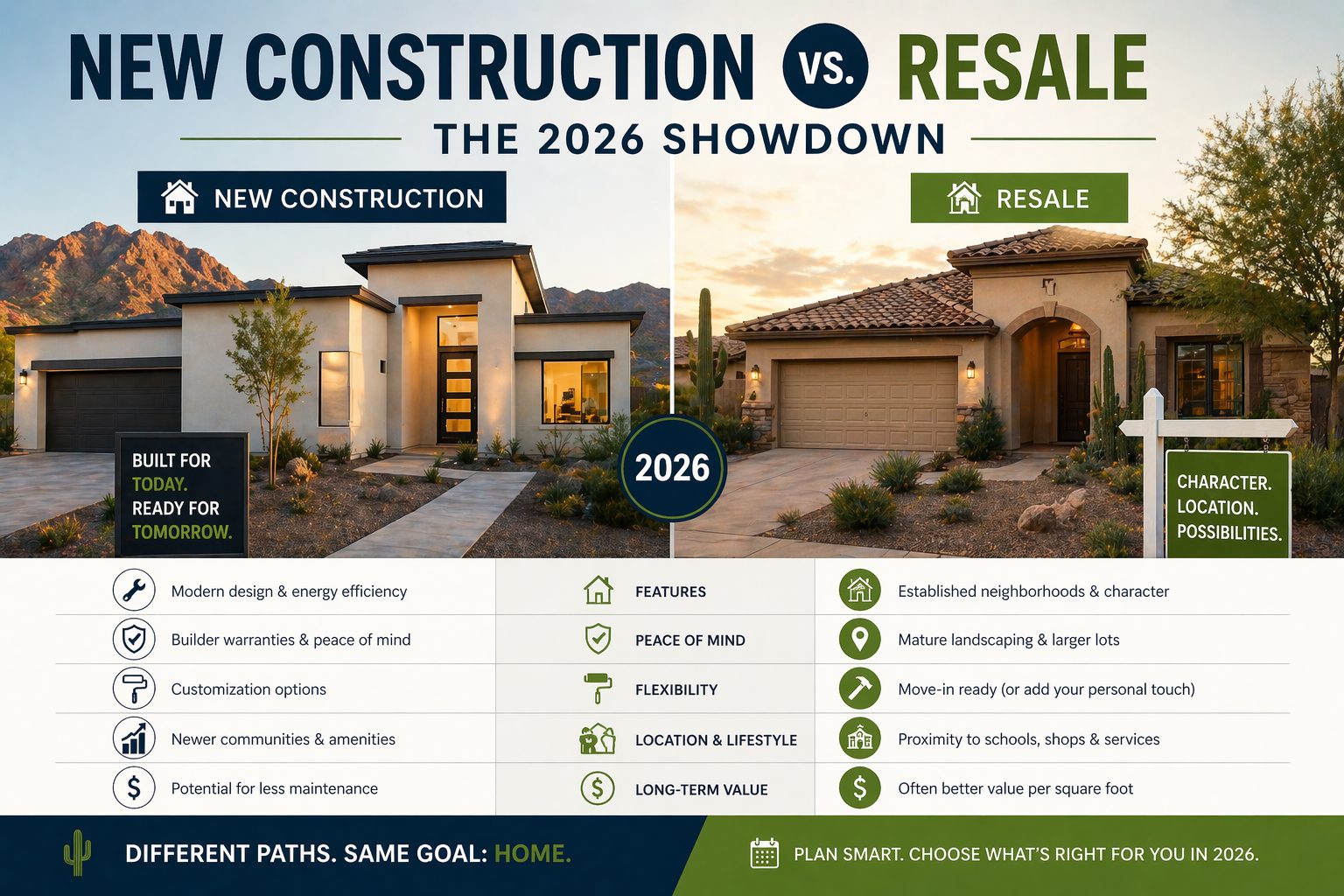
Should you buy a new build or a resale home in Arizona in 2026? New builds currently offer superior financing, with some builders providing interest rates in the 3%–4% range through preferred lenders. Resale homes offer larger lots, mature landscaping, and established neighborhoods.
The Power of Builder Incentives
The biggest story of 2026 is the aggressive incentive packages being offered by Arizona homebuilders. While the resale market is stable, builders in communities like Verrado, Sterling Grove, and Teravalis are offering “dirt build” deals that are hard to ignore.
Why Buy New in 2026?
-
Financing Wins: Builders are often using their margins to buy down mortgage rates to the low 4s, saving buyers hundreds of dollars per month compared to traditional resale financing.
-
Energy Efficiency: With Arizona summers reaching record temperatures, modern spray foam insulation and dual-pane low-E windows in new builds can save homeowners $150–$300/month in utility costs.
-
The “Clean Slate” Benefit: You get to choose the finishes, from quartz countertops to flooring, without the headache of a 20-year-old “renovator’s dream.”
Why Stick with Resale?
-
Lot Size: Older homes in established parts of Gilbert, Chandler, and Phoenix often sit on larger lots with mature trees that provide natural shade—a luxury rarely found in new high-density developments.
-
Location: Resale homes are often closer to historic downtown districts and established employment hubs.
The 2026 Arizona Real Estate Forecast
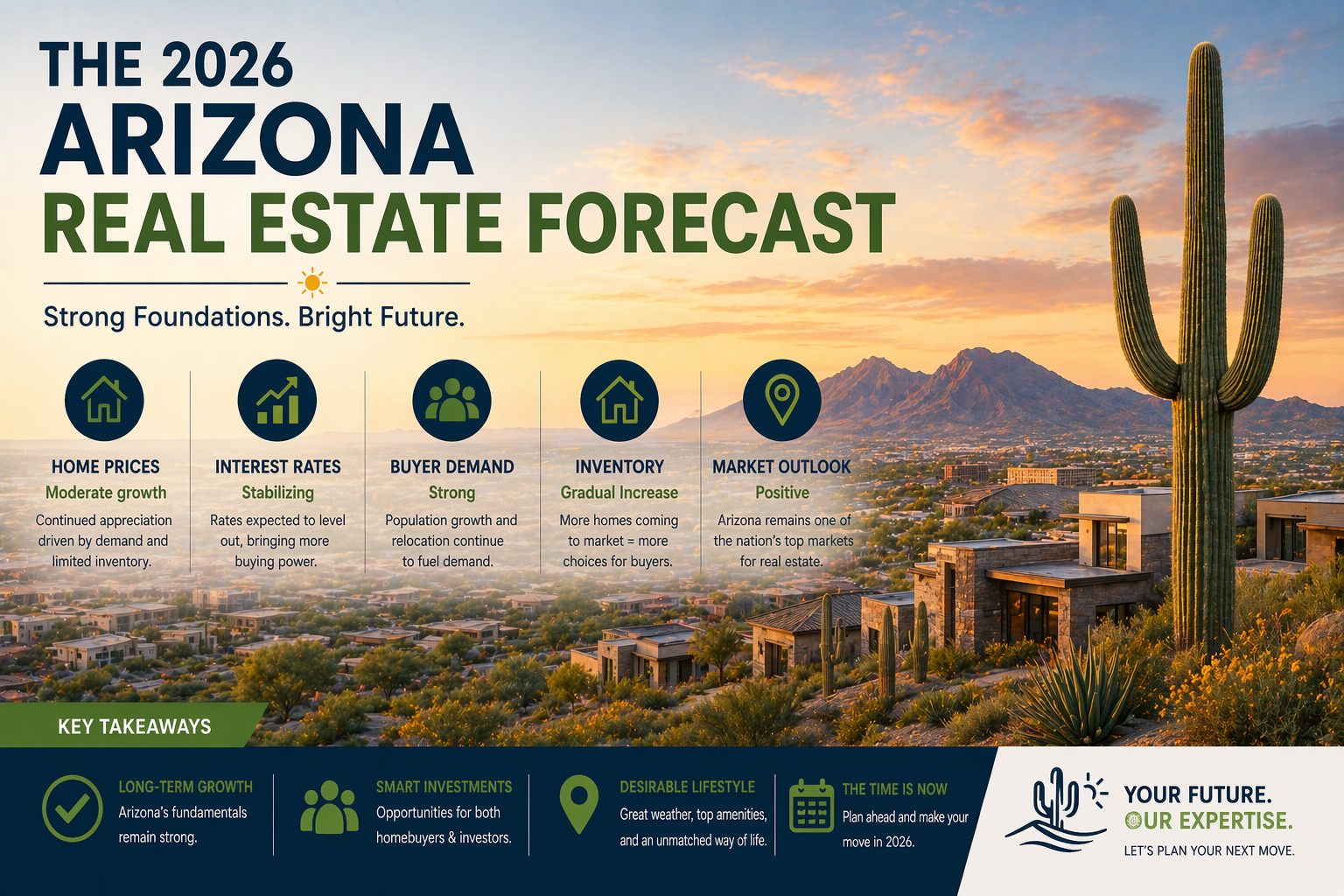
Is it a good time to buy a house in Arizona in 2026? Yes. The market has shifted toward a “Balanced Market,” offering more inventory and predictable pricing than the 2020-2022 period. Experts project a 14% increase in sales volume this year as mortgage rates stabilize near 6%, unlocking opportunities for both buyers and sellers in the Valley.
A New Era of Stability in the Valley
The frantic bidding wars of the early 2020s have officially been replaced by a “Balanced Market” in 2026. For homeowners and prospective buyers in Arizona, this means a return to normalcy. We are no longer seeing home prices run away from buyers, yet sellers are still enjoying strong equity gains thanks to Arizona’s persistent population growth.
Key Factors Driving the 2026 Market:
-
The “Rate Relief” Effect: With inflation cooling, mortgage rates have settled into a range that is significantly more manageable than the 2024 peaks. This has re-introduced millions of “qualified” buyers back into the market.
-
Inventory Growth: Unlike previous years, 2026 has seen a steady rise in existing home inventory and new construction completions, particularly in the West Valley and Pinal County.
-
Economic Vitality: Tech giants like TSMC and Intel continue to anchor the local economy, ensuring that housing demand remains high even if national trends fluctuate.
The Bottom Line: Whether you are looking at a luxury estate in Scottsdale or a starter home in Buckeye, 2026 is the year of the “Strategic Move.”
First-Time Buyer Programs in Arizona (2026 Update)
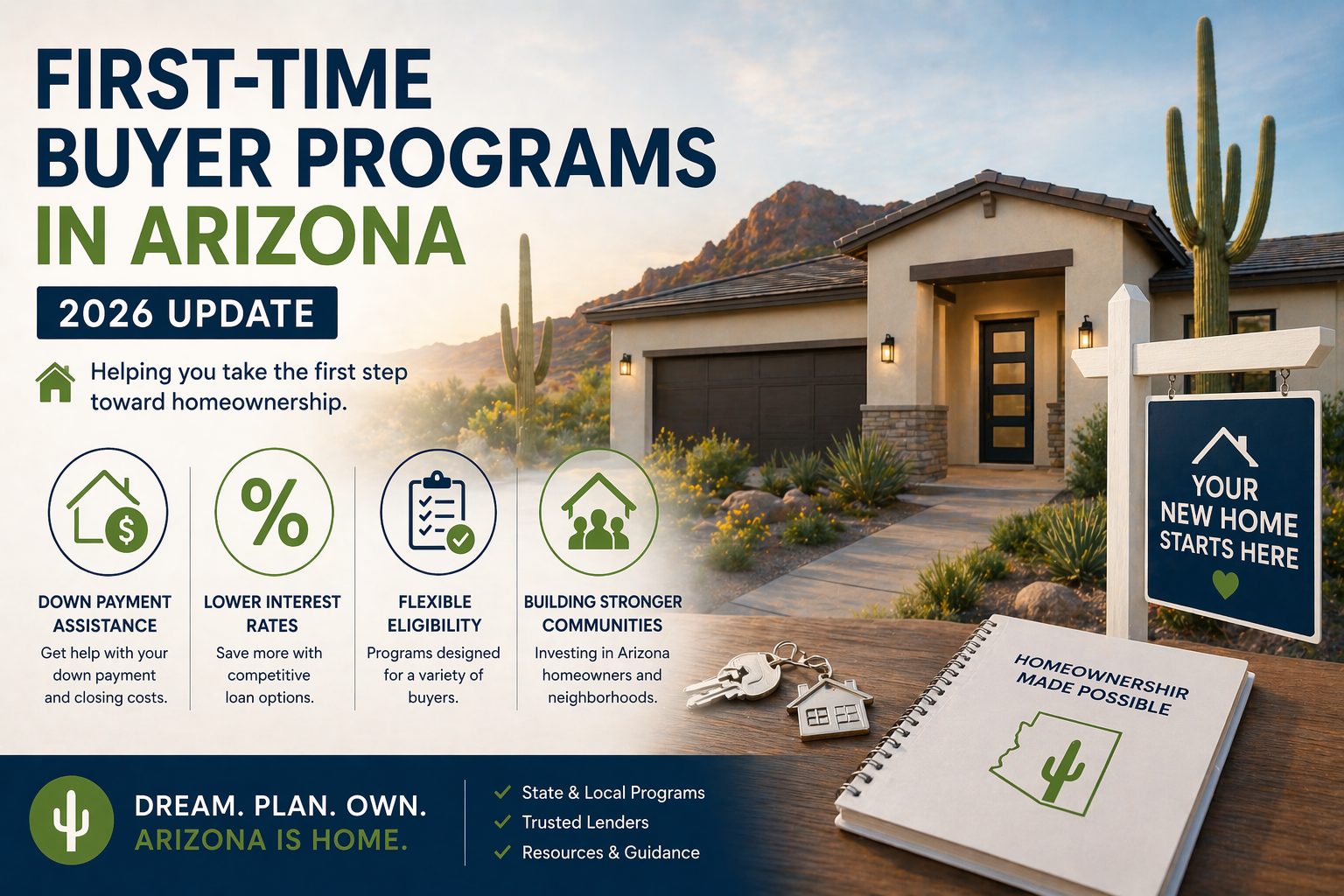
For first-time buyers in 2026, Arizona offers several grants and down payment assistance (DPA) programs. Key options include HOME Plus, which provides up to 5% of the loan amount for down payments, and the WISH Grant, which offers a 4-to-1 match (up to $32,837) for eligible buyers. Most programs now feature higher income limits—up to 120% of the Area Median Income (AMI)—to assist with 2026 home prices.
Breaking the Down Payment Barrier
If you’ve been sidelined by the “upfront cost” of homeownership, 2026 is bringing significant relief. State and local agencies have adjusted their programs to match current market realities, making it easier than ever to get into a home with little to nothing out of pocket.
Top Programs to Explore:
-
The HOME Plus Program: This is Arizona’s flagship statewide program. It offers a 30-year fixed-rate mortgage combined with a non-repayable grant for down payment and closing costs. In 2026, it remains one of the few programs available in every Arizona county.
-
The WISH Grant (OneAZ & Others): For every $1 you save, the program matches it with $4. If you contribute $8,000 of your own savings, you could receive a match of over $32,000—a massive boost for your first home in the Valley.
-
Arizona is Home Program: Aimed at those at or below 120% AMI, this provides a “silent second” mortgage that is due only upon the sale of the home, helping you keep your monthly payments lower.
Pro-Tip: Always start with a “Homebuyer Education Course.” Most of these grants require a certificate of completion, and it’s the best way to ensure you’re ready for the responsibilities of a mortgage.
What First-Time Home Buyers Need to Know About Today’s Phoenix Market (2026)

If you’re a first-time home buyer, here’s the truth: the market has shifted—and that’s actually good news for you.
A More Balanced Market (Finally)
After years of chaos, Phoenix is moving into a more balanced phase. Inventory is improving, bidding wars have cooled, and buyers now have more negotiating power than they’ve had in years.
Homes are also sitting longer—around 40–60 days in many cases—which gives you time to think instead of rushing decisions.
Prices: Still High, But Stabilizing
Prices haven’t crashed—but they’ve leveled out.
- Median home values are roughly in the $400K–$460K range
- Starter homes are around $330K–$350K
That means affordability is still a challenge—but at least prices aren’t jumping every month like before.
Interest Rates Are Creating Opportunity
Mortgage rates are hovering in the low-to-mid 6% range, down from recent highs.
That shift has increased buyer purchasing power by as much as $40,000, opening doors that were closed just a year ago.
The Reality: It’s Still Not Easy
Here’s where you need to stay grounded:
- Income needed for a starter home can exceed $100K/year
- Affordability is still the biggest hurdle for first-time buyers
So yes—it’s better, but it’s not “easy.”
Where the Opportunity Is
Right now, smart buyers are winning in:
- West Valley (Buckeye, Surprise, Goodyear) → more affordable
- Emerging areas → better long-term upside
- Homes sitting longer → room to negotiate
Also, sellers are more open to concessions—closing costs, rate buy-downs, repairs. That wasn’t happening a couple years ago.
What First-Time Buyers Should Do Right Now
- Get fully pre-approved (not just pre-qualified)
- Focus on monthly payment, not just price
- Be ready to move when the right deal shows up
- Don’t wait for “perfect”—it rarely comes
Bottom Line
This market is no longer stacked against you—but it still rewards preparation.
The buyers winning right now aren’t guessing. They’re informed, decisive, and working a strategy.
If you approach it that way, 2026 might actually be one of the best windows we’ve seen in years to get your foot in the door.
Feel Free to reach out if you would like to discuss I have all the resources to get you into your next home.
The “Desert Modern” Shift: 2026 Home Design Trends
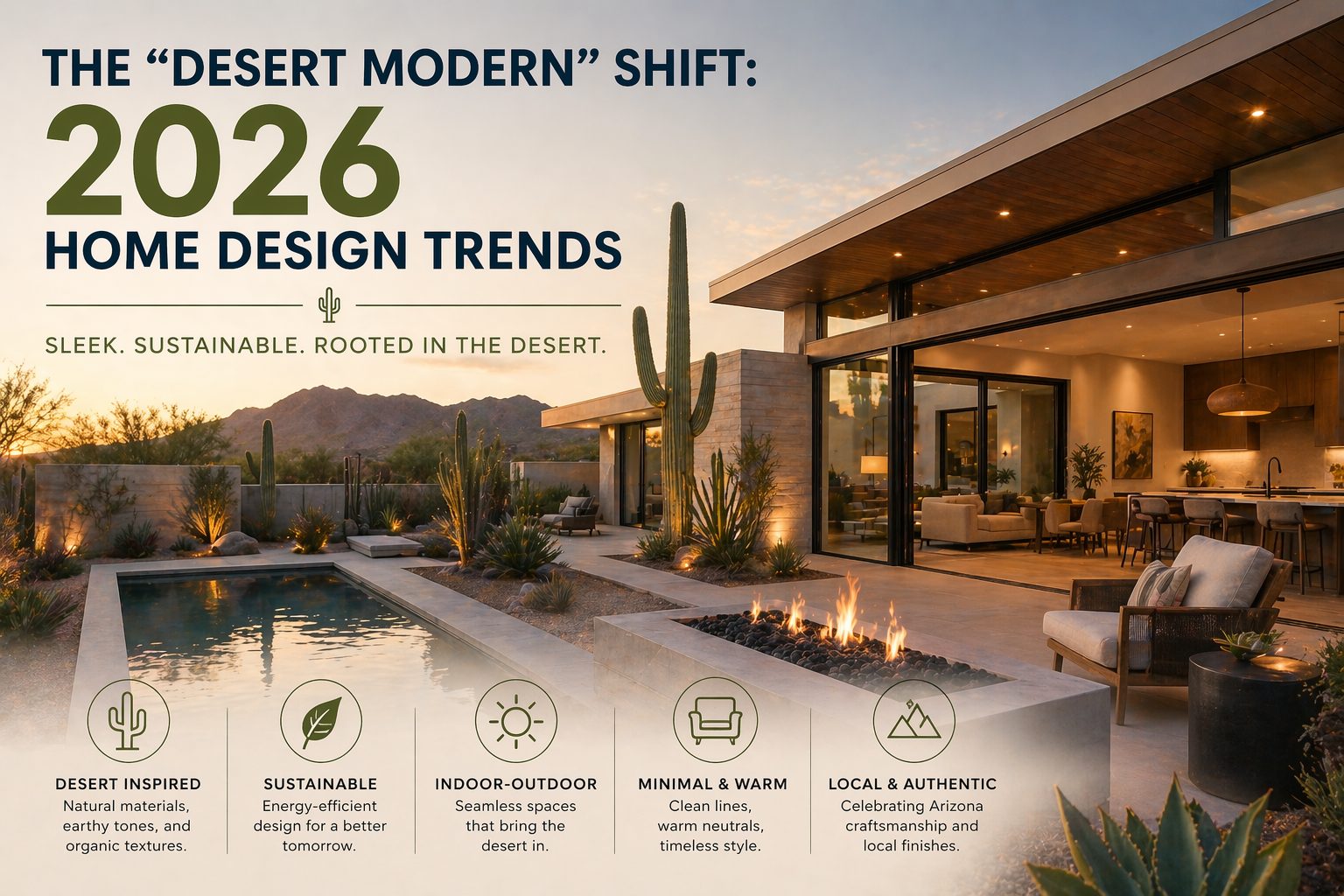
In 2026, Arizona home design has shifted from “Cool Gray” to “Warm Minimalism.” The most popular palettes include terracotta, clay, sand, and sage green. Key features include biophilic design—blurring indoor-outdoor boundaries with floor-to-ceiling glass—and the use of natural, heat-resilient materials like limewash and reclaimed wood.
From Stark to Sand: The Evolution of Desert Design
The era of the “White Box” is over. In 2026, Arizona homeowners are embracing a curated, organic aesthetic that honors the Sonoran landscape rather than trying to contrast it. We call this “Warm Minimalism.” It’s about clean lines and uncluttered spaces, but with a palette that feels grounding and inherently local.
2026 Trend Deep Dive:
-
The Palette of the Sun: Cool grays have been replaced by “Warm Greige” and earth-toned ochres. These colors don’t just look better; they handle the intense Arizona light more gracefully, creating a soft, inviting atmosphere during the “Golden Hour.”
-
Biophilic Harmony: Homeowners are investing in “Living Walls” and pocket sliding doors that disappear into the wall. The goal is a seamless transition from the kitchen to a covered patio, often featuring integrated misting systems and “plunge pools” for year-round utility.
-
Tactile Textures: Limewash walls and textured plaster are trending. These finishes add depth and a sense of history to new builds, making a brand-new home in Scottsdale or Gilbert feel settled and soulful.
The Seller’s Advantage: If you are prepping your home for market, a simple swap from cool-toned light bulbs and gray walls to “Warm White” lighting and earth-toned accents can significantly increase perceived value in the current market.
Living in Scottsdale, AZ: Pros, Cons, and What to Expect in 2026
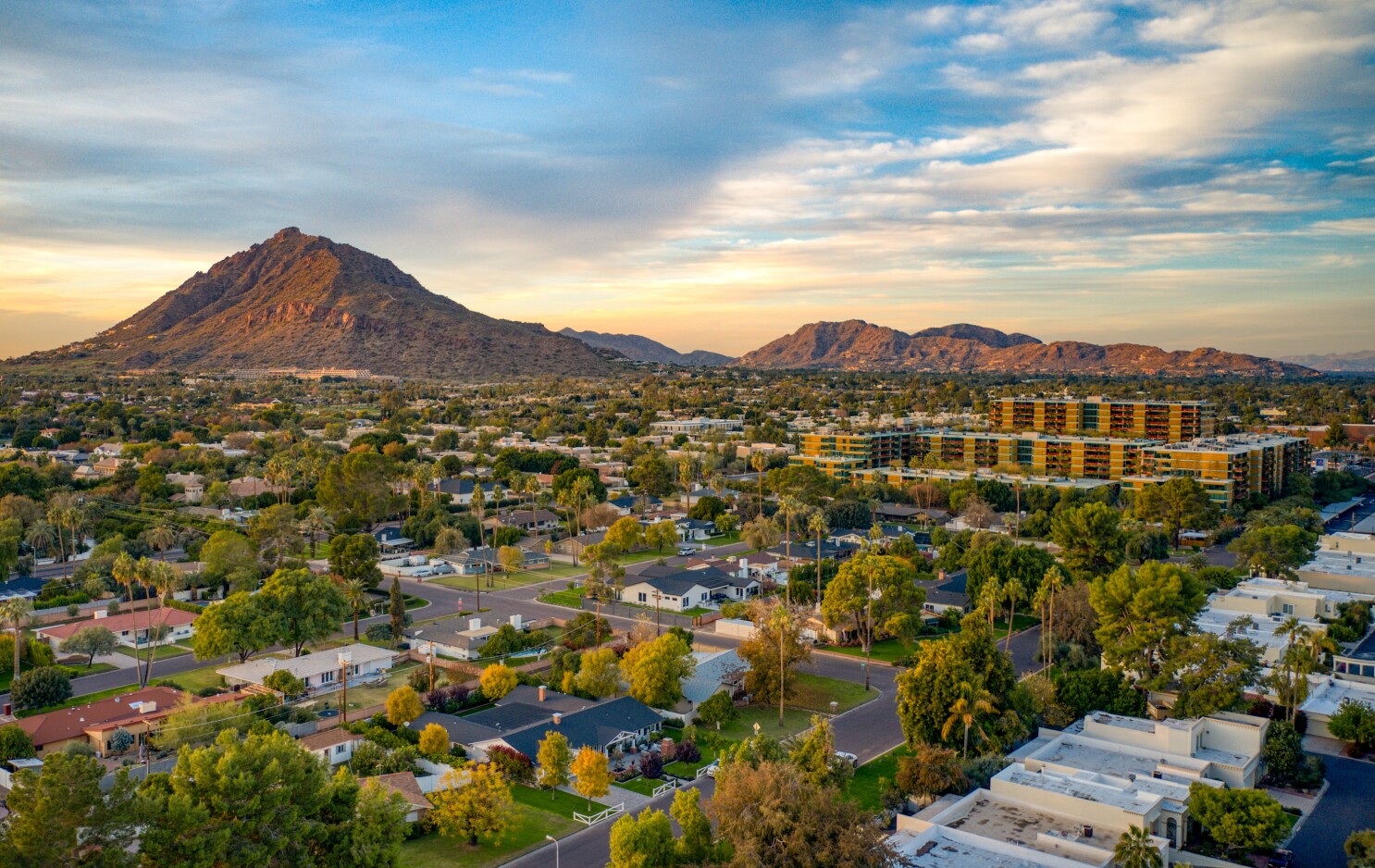
Scottsdale, Arizona continues to stand out as one of the most desirable places to live in the United States—especially for buyers seeking a blend of luxury, lifestyle, and long-term real estate value. But like any market, it’s not one-size-fits-all.
If you’re considering moving to Scottsdale in 2026, here’s a complete breakdown of what you can expect.
🌵 What Is It Like Living in Scottsdale?
Scottsdale offers a unique lifestyle that blends upscale amenities with natural desert beauty. Known for its master-planned communities, golf culture, and vibrant social scene, it appeals to a wide range of buyers—from retirees to remote professionals and luxury homeowners.
Residents enjoy:
- Over 300 days of sunshine per year
- Access to McDowell Sonoran Preserve hiking trails
- A thriving restaurant and nightlife scene in Old Town
- High-end shopping at Scottsdale Quarter & Kierland Commons
Scottsdale is also known for being clean, well-maintained, and highly planned compared to many other cities in Arizona.
✅ Pros of Living in Scottsdale
1. Strong Real Estate Investment Potential
Scottsdale has consistently shown strong appreciation, particularly in luxury segments and North Scottsdale communities. Limited land availability in premium areas helps support long-term value.
2. High Quality of Life
From golf courses to spas and wellness culture, Scottsdale offers a resort-style lifestyle year-round.
3. Safe, Well-Planned Communities
Many neighborhoods—especially in North Scottsdale—are gated and designed with safety and aesthetics in mind.
4. Ideal for Remote Work & Entrepreneurs
With no harsh winters and strong infrastructure, Scottsdale has become a hotspot for remote professionals relocating from California and other high-cost states.
⚠️ Cons of Living in Scottsdale
1. Higher Cost of Living
Scottsdale is one of the most expensive cities in Arizona, particularly in housing.
2. Extreme Summer Heat
Summer temperatures regularly exceed 100–110°F, which can be a major adjustment for newcomers.
3. Competitive Housing Market
Desirable homes—especially in luxury communities—can move quickly and attract multiple offers.
💰 Cost of Living in Scottsdale (2026)
While exact numbers vary, here’s a general breakdown:
- Median home price: Higher than Phoenix (especially North Scottsdale)
- Utilities: Higher in summer due to AC usage
- Dining & entertainment: Premium pricing in key areas
That said, many buyers feel the lifestyle and appreciation potential justify the cost.
📍 Best Areas to Live in Scottsdale
🏡 North Scottsdale
- Luxury communities
- Golf courses
- Mountain views
- Quiet, upscale lifestyle
🎉 Old Town Scottsdale
- Walkable
- Nightlife and restaurants
- Condos and modern living
💰 South Scottsdale
- More affordable entry point
- Growing and improving rapidly
👨👩👧👦 Who Scottsdale Is Best For
Scottsdale is ideal for:
- Luxury buyers
- Retirees
- Second-home buyers
- Remote professionals
It may not be ideal for:
- Budget-conscious buyers
- Those who prefer cooler climates
❓ FAQs About Living in Scottsdale
Is Scottsdale a good place to live in 2026?
Yes—especially for buyers looking for long-term appreciation, lifestyle, and safety.
Is Scottsdale better than Phoenix?
Scottsdale is generally more upscale, while Phoenix offers more affordability and urban diversity.
What salary do you need to live comfortably in Scottsdale?
Most households feel comfortable in the $100K+ range depending on lifestyle.
🏁 Summary
Scottsdale offers one of the most attractive combinations of luxury, lifestyle, and investment potential in the Southwest. While it comes at a premium, many buyers find the value unmatched.
👉 Thinking about making a move to Scottsdale? Let’s create a customized home search based on your lifestyle and goals.
